Timeless Travel
Discover More:

True luxury in travel is just permanence. It has nothing to do with modern, glassy beach developments and everything to do with destinations that have spent a century figuring out how to sit on a shoreline without ruining it. The places that endure are defined by strict local preservation laws and an unspoken code of behaviour that values quiet privacy over public spectacle.
When observing these environments, it becomes clear that the geography doesn't just provide a backdrop—it actively dictates the local architecture, the pacing of daily life, and the strict utility of how one dresses.
I. The Italian Terraces: Verticality and Stone
The Italian coast demands a specific relationship with gravity. On these sheer rock faces, architecture is forced to become an extension of the cliffside, creating structural environments where physical luxury is entirely dependent on mobility and restraint.
Positano
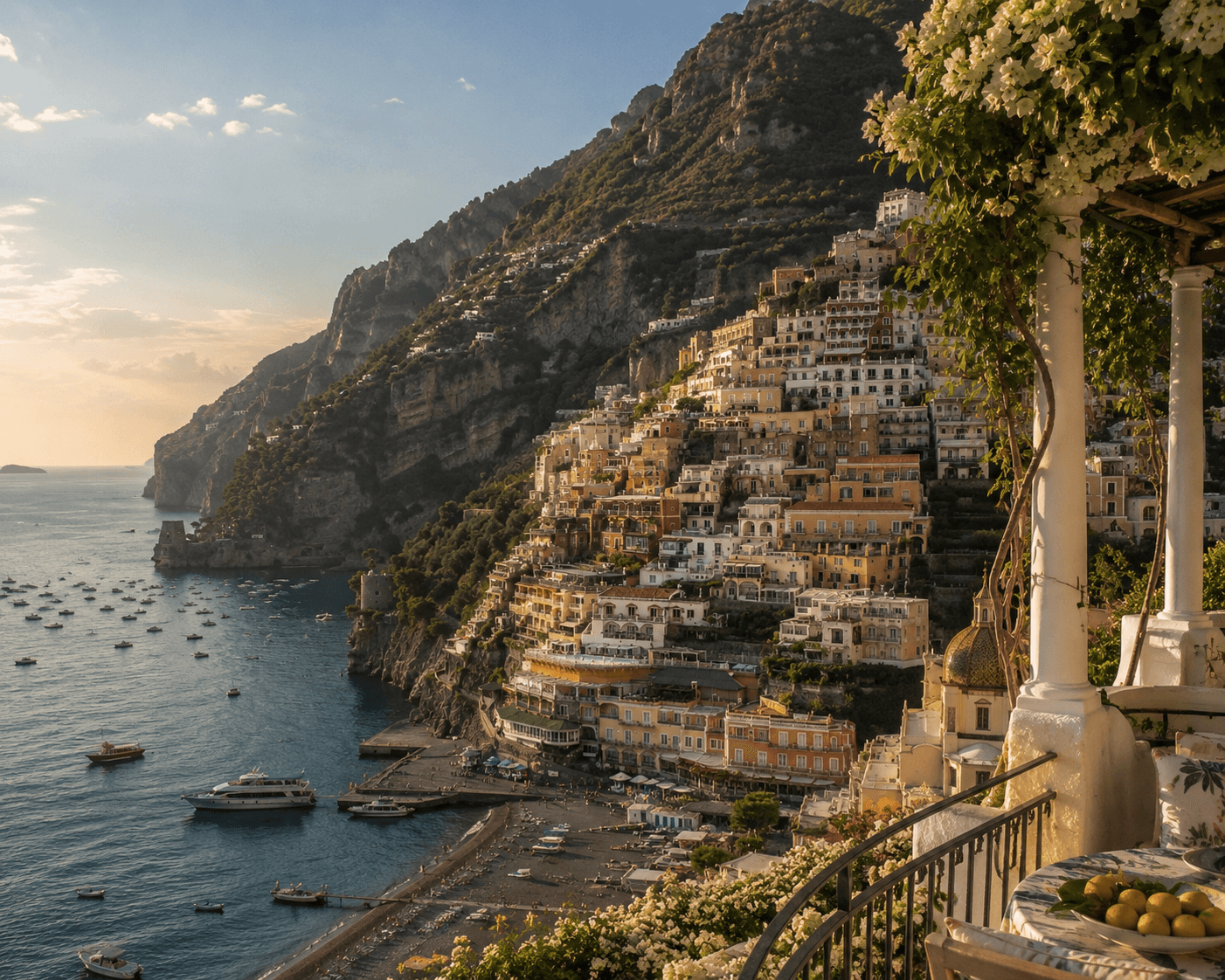
The town is just a sheer limestone cliff covered in pastel stucco houses stacked on top of one another. Because the geography is entirely vertical, the infrastructure relies on narrow stone staircase grids rather than wide roads. This design forces a specific lifestyle: you cannot roll heavy wheeled suitcases up a cliffside, so you learn to travel with a single canvas duffel. It also dictates how you dress. High heels or stiff, structured footwear are completely useless here. The terrain demands high-quality leather loafers or flexible canvas espadrilles, meaning your personal style becomes entirely dependent on your physical mobility.
Portofino
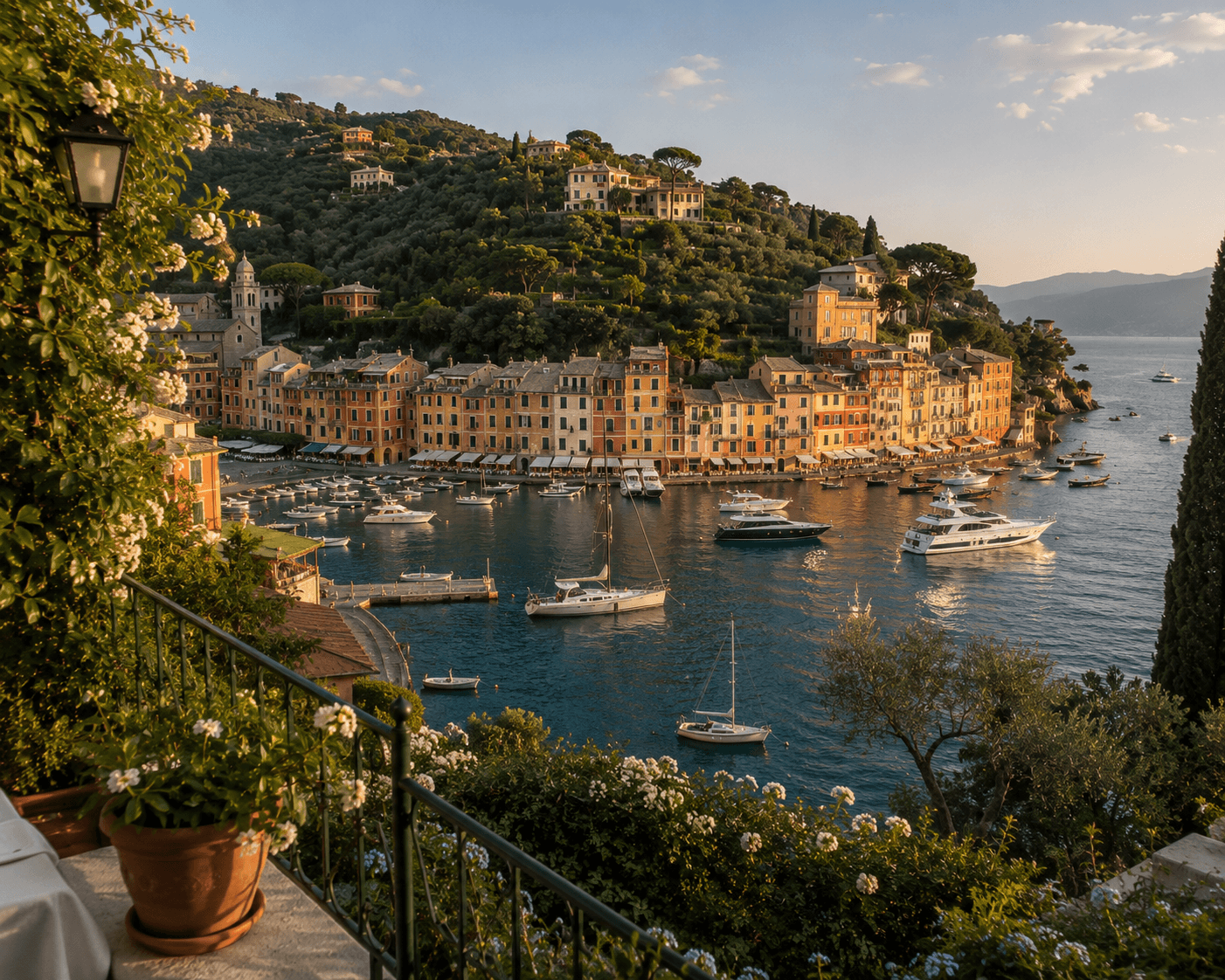
Unlike the dramatic drops of the Amalfi Coast, Portofino is a tight, low-slung crescent bay on the Italian Riviera. The waterfront is defined by tall, narrow fishermen's houses painted in deep terracotta, ochre, and olive green. These distinct colours weren't chosen for aesthetics; They were chosen so sailors could spot their own homes from out at sea in bad weather. Because cars are banned from the harbour area, the town is completely silent except for the sound of water. The lifestyle is entirely stationary, centred around a small stone square. It is an environment that favours simple linen shirts and lightweight knits that look sharp but feel casual enough for a morning spent on a wooden boat tender.
Capri
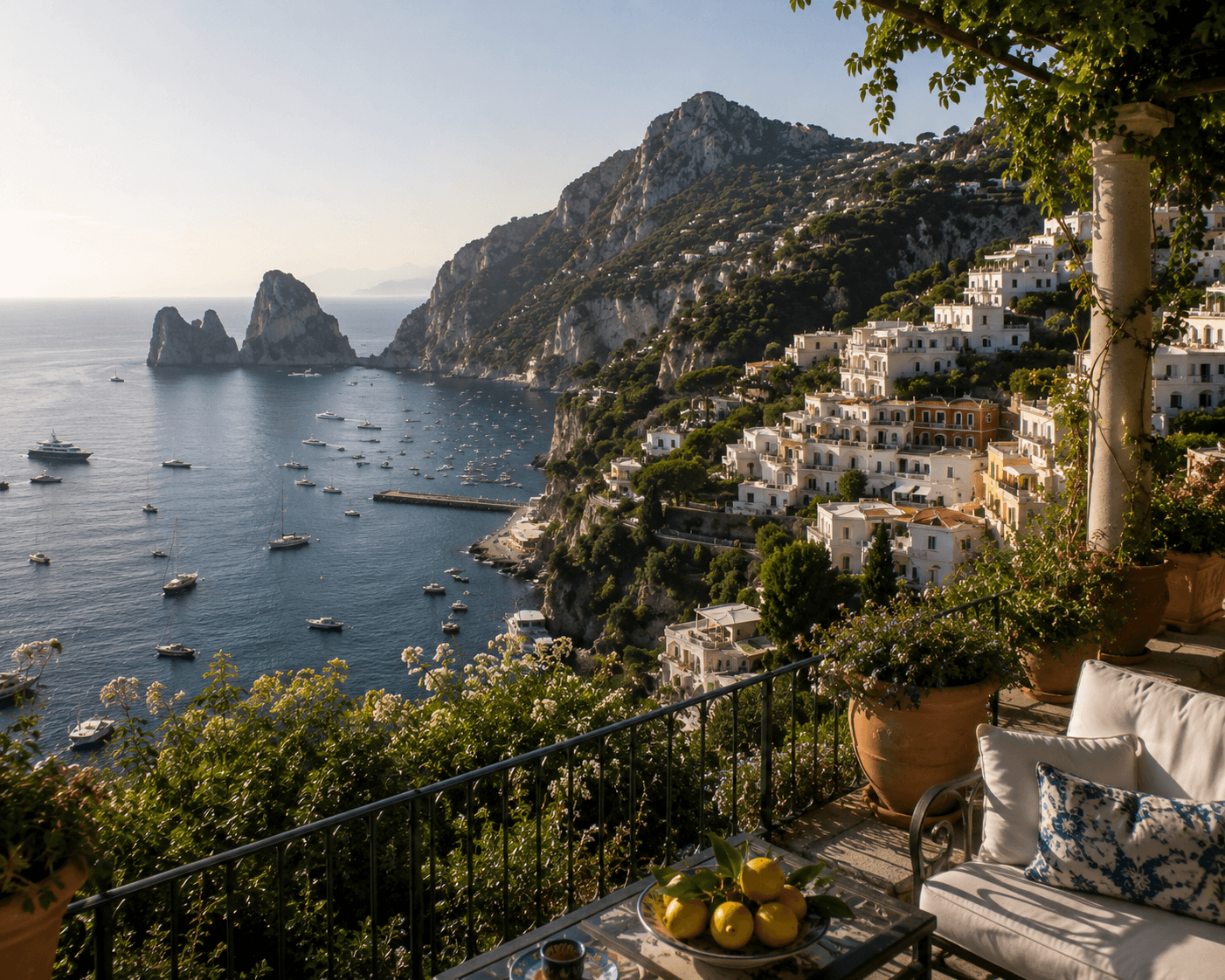
This is a massive limestone block rising straight out of the Tyrrhenian Sea. The architecture here relies on stark white plaster, heavy stone walls, and hidden interior courtyards covered in climbing greenery. The entire island is laid out to keep the outside world out, hiding grand private villas behind high walls and unmarked iron gates. Capri is also defined by its intense microclimates. While the marina is hot and humid, the high-altitude town of Anacapri is caught in a constant, cool maritime wind. To deal with this, you need structured linen blazers or light silk layers that protect against the breeze without adding bulk.
II. The Atlantic Outposts: Shingle and Sail
In the northern hemispheres, the relationship with the sea changes. The focus shifts away from sun-bleached leisure and toward protection from the elements, using traditional maritime materials that are built to weather and age with grace.
Nantucket
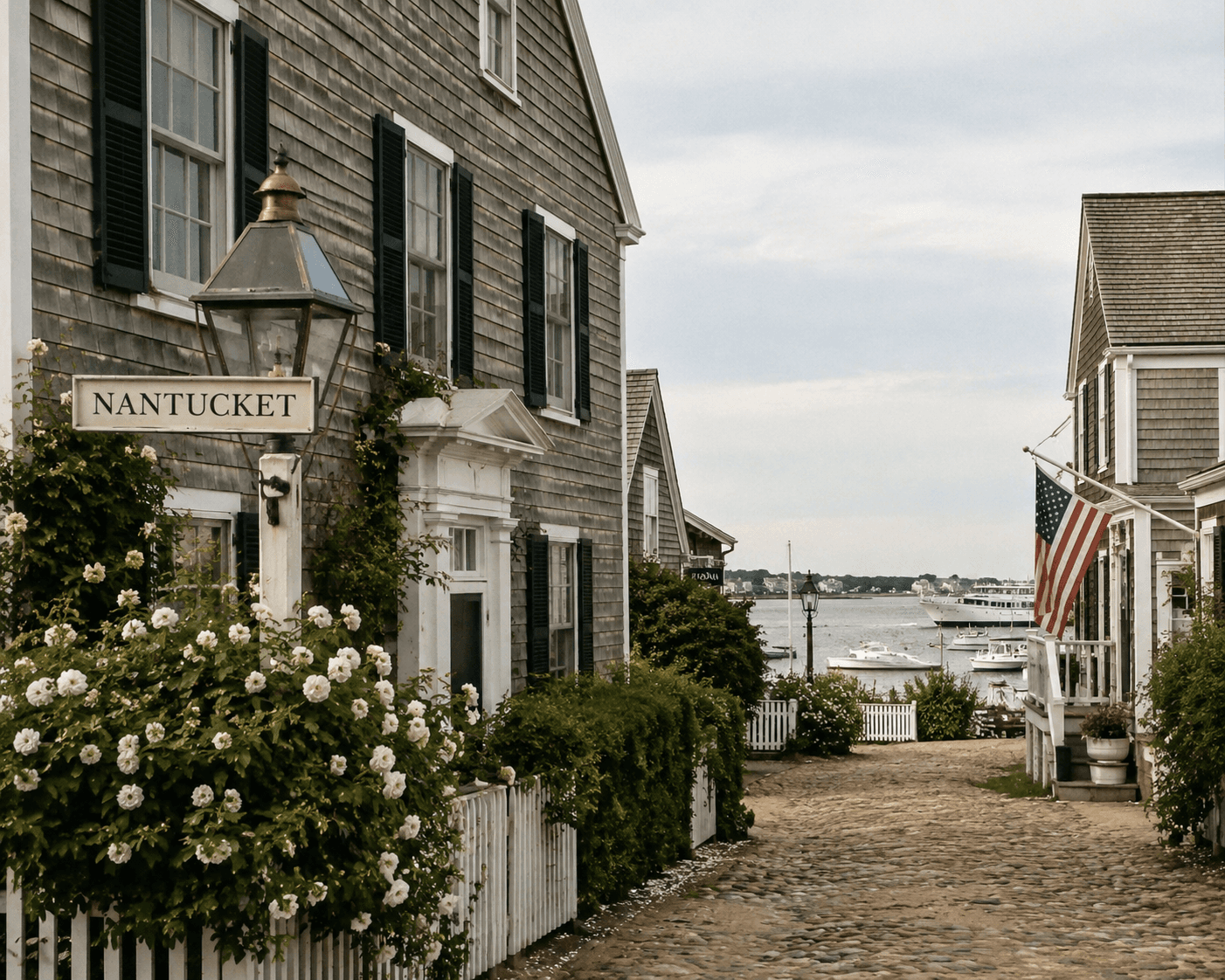
Thirty miles out into the cold Atlantic, Nantucket preserves a rigid, singular maritime look rooted in its whaling history. Local law requires every single building to be covered in unpainted cedar shingles. Over time, the salt air weathers these shingles into a uniform, matte slate-gray color. Combined with the cobblestone streets and white trim, the island feels incredibly cohesive. The North Atlantic weather is unpredictable, bringing sudden rolling fogs and sharp temperature drops. Instead of Mediterranean linens, the wardrobe logic here requires heavy-gauge cotton cable-knit sweaters, rugged canvas trousers, and boat shoes built to grip wet teak decks.
Monterey
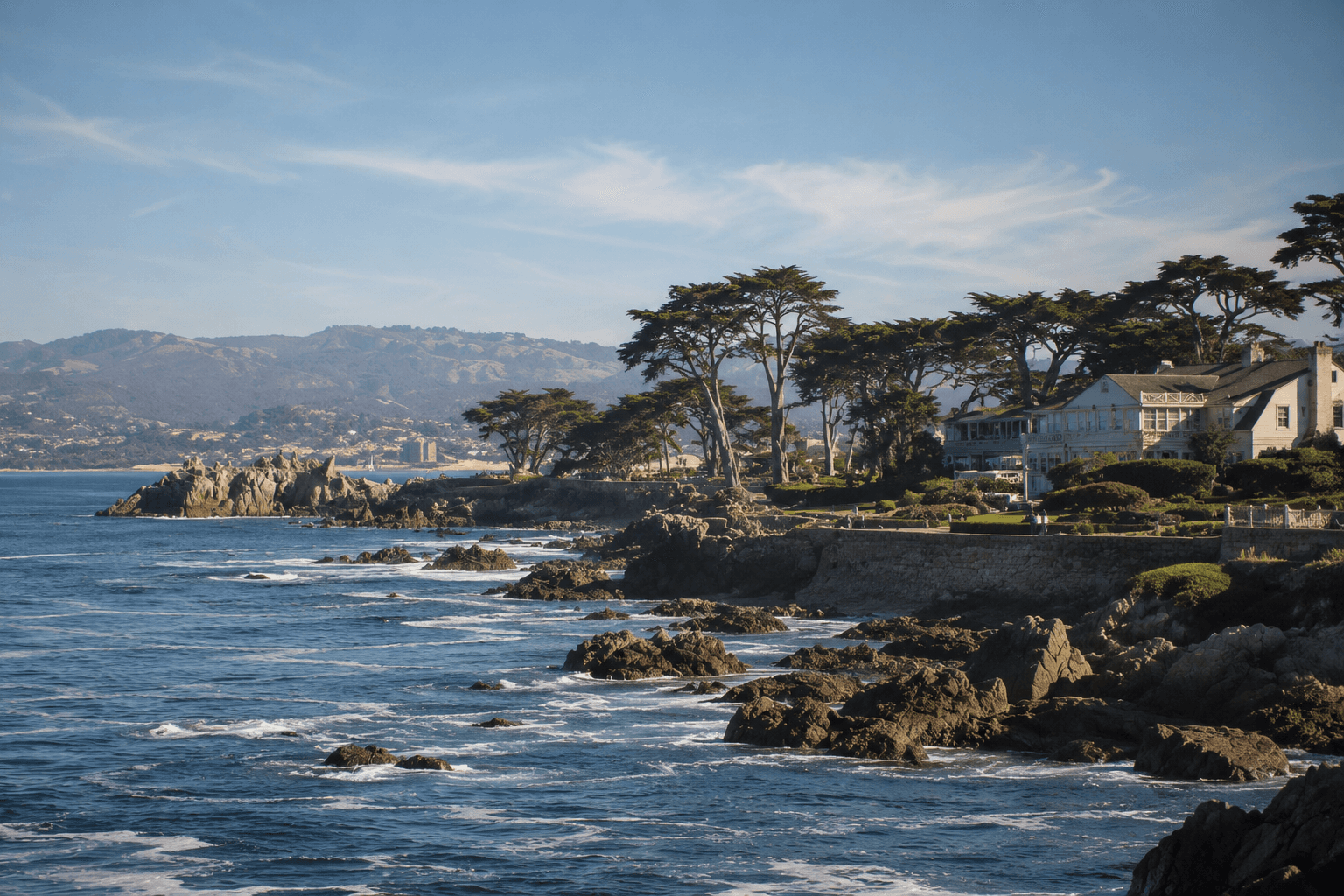
The central coast of California is rugged, cold, and windswept. The local architecture splits itself between the massive, rustic timber canneries from the early 1900s and low-profile modern homes built to blend directly into the rocky cliffs and twisted cypress trees. You do not come here to sit on a beach lounge. The cold currents and heavy morning mist mean life is active. The uniform is practical: technical windbreakers mixed with premium merino wool layers. It is about staying protected from a harsh Pacific environment while keeping a clean, unpretentious silhouette.
III. The Riviera and the West Indies: Vernacular Ease
True sophistication in warmer climates relies on a complete absence of stiffness. These destinations succeed by adapting traditional local building techniques to create spaces that maximize airflow, shade, and natural textures.
Saint-Tropez
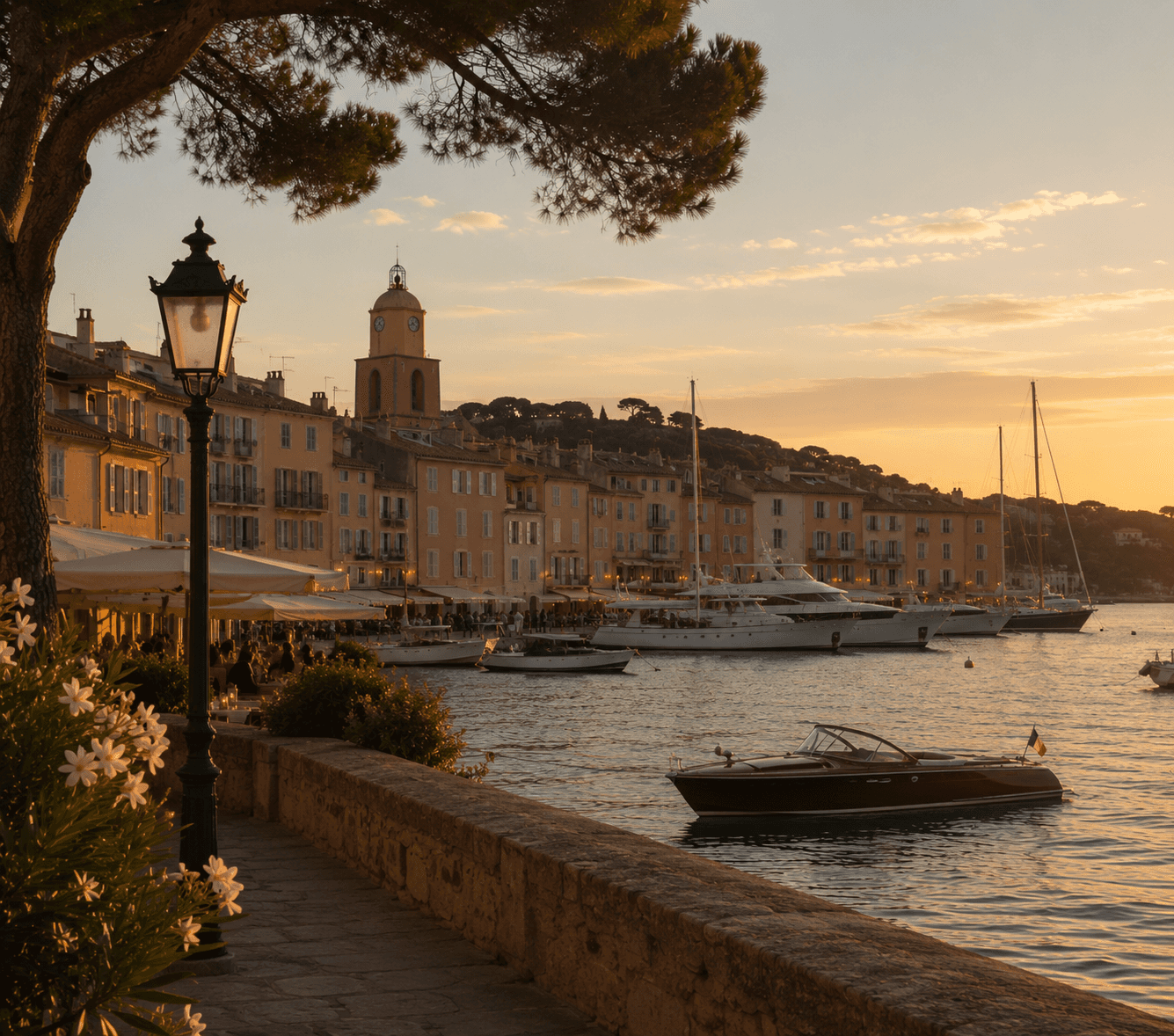
Long before it became a crowded summer hotspot, this was just a fortified, quiet fishing village on the French Riviera. The old quarter, La Ponche, is filled with stone buildings painted in warm shades of melon, gold, and peach, all featuring traditional wood-paneled shutters. The town is built around open terraces designed to catch the warm, dry mistral winds that blow down from the hills. Style here is deeply rooted in mid-century cinema: clean nautical stripes, simple lightweight button-downs, and classic eyewear. It is a relaxed, high-contrast look that honours the town's artistic past.
St. Barthélemy
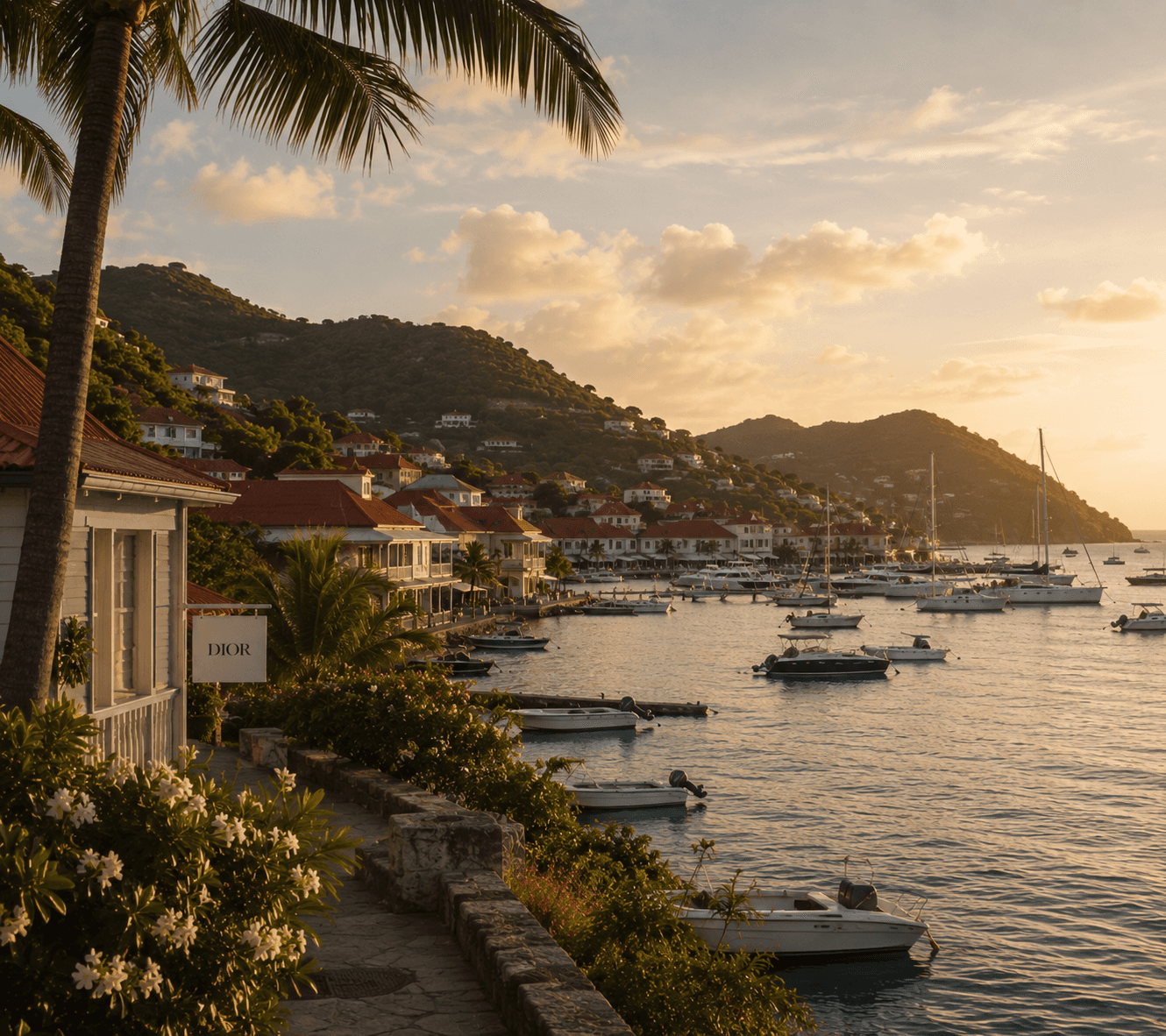
In the French West Indies, St. Barths combines traditional Caribbean layout with European restraint. The island is defined by low-slung, timber-framed villas with vaulted ceilings and louvered shutters that allow tropical cross-breezes to cool the house naturally. The natural dark-wood decks open directly onto the sand. Tropical humidity makes structured tailoring impossible to wear. True sophistication here means abandoning any form of stiffness and relying entirely on open-weave linens, light voiles, and durable canvas gear that can handle the salt air without looking ruined.
Explore the Travel Archive
A well-planned journey is a study in editing, preparation, and pacing. Beyond understanding the architecture of global coastlines, mastering travel means keeping your gear tightly organized, selecting premium materials that toughen the elements, and knowing exactly how to edit your carry.
Whether you are looking for an analytical breakdown of the world's best heritage hotels, sourcing custom luggage assets, or seeking a practical manual for an upcoming weekend trip, our travel section serves as a simple guide for refining your transit.
Browse the Complete Travel Archive
Continue Through the Archive.


