Timeless Travel
Discover More:

The French Interior: The Geography of Discretion
By Blackthorne & Rowe | Travel & Escapes Archives
"We don't chase places. We return to them. That's the luxury of timeless living."
While the summer crowds fight for beach club reservations and whatever new luxury resort is trending on Instagram, there is a much quieter side of France that people completely overlook.
The best travel here isn't about making an appearance or being seen. It's about finding the corners of the country that time and heavy tourism have truly left alone—places defined by centuries-old stone, open space, and total privacy. In this editorial we will explore the best holiday destinations in France for those seeking quiet luxury and a truly memorable, special vacation.
I. Saint-Jean-Cap-Ferrat
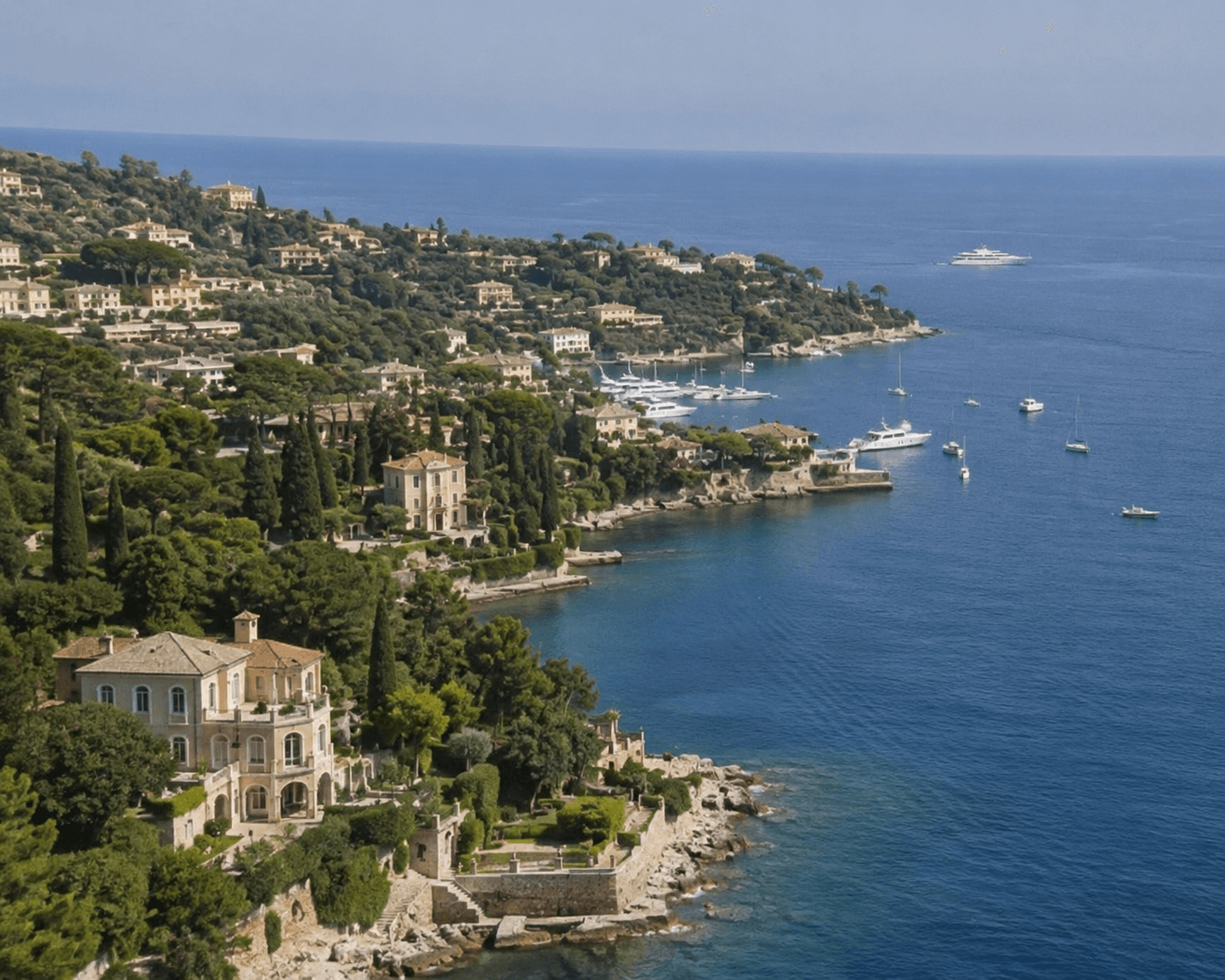
The Setting: Coastal serenity on the Côte d'Azur.
The Palette: Sun-bleached limestone, deep maritime blue, and century-old pines.
Why it holds value: While the rest of the Riviera suffers under the weight of high-summer saturation, this narrow, pine-dense peninsula remains a protected sanctuary of quiet wealth. Built entirely around the concept of architectural concealment, Cap-Ferrat trades on historic Belle Époque villas hidden behind massive stone walls and private botanical gardens.
The Anchor Experience: Walk the Sentier du Littoral , a rugged stone footpath following the edge of the peninsula. It offers complete visual isolation with nothing but the Mediterranean Sea and the limestone cliffs; perfect for those seeking peace and serenity while away.
The Architecture: Spend a morning at the Villa Ephrussi de Rothschild . Skip the indoor tour crowds and head straight for the nine themed gardens—specifically the French and Florentine stone terraces overlooking the sea.
The Ritual: An understated lunch at Grand-Hôtel du Cap-Ferrat , dining under the shade of century-old Aleppo pines, far removed from the noise of public beaches.
II. Beaune & The Burgundy Clos
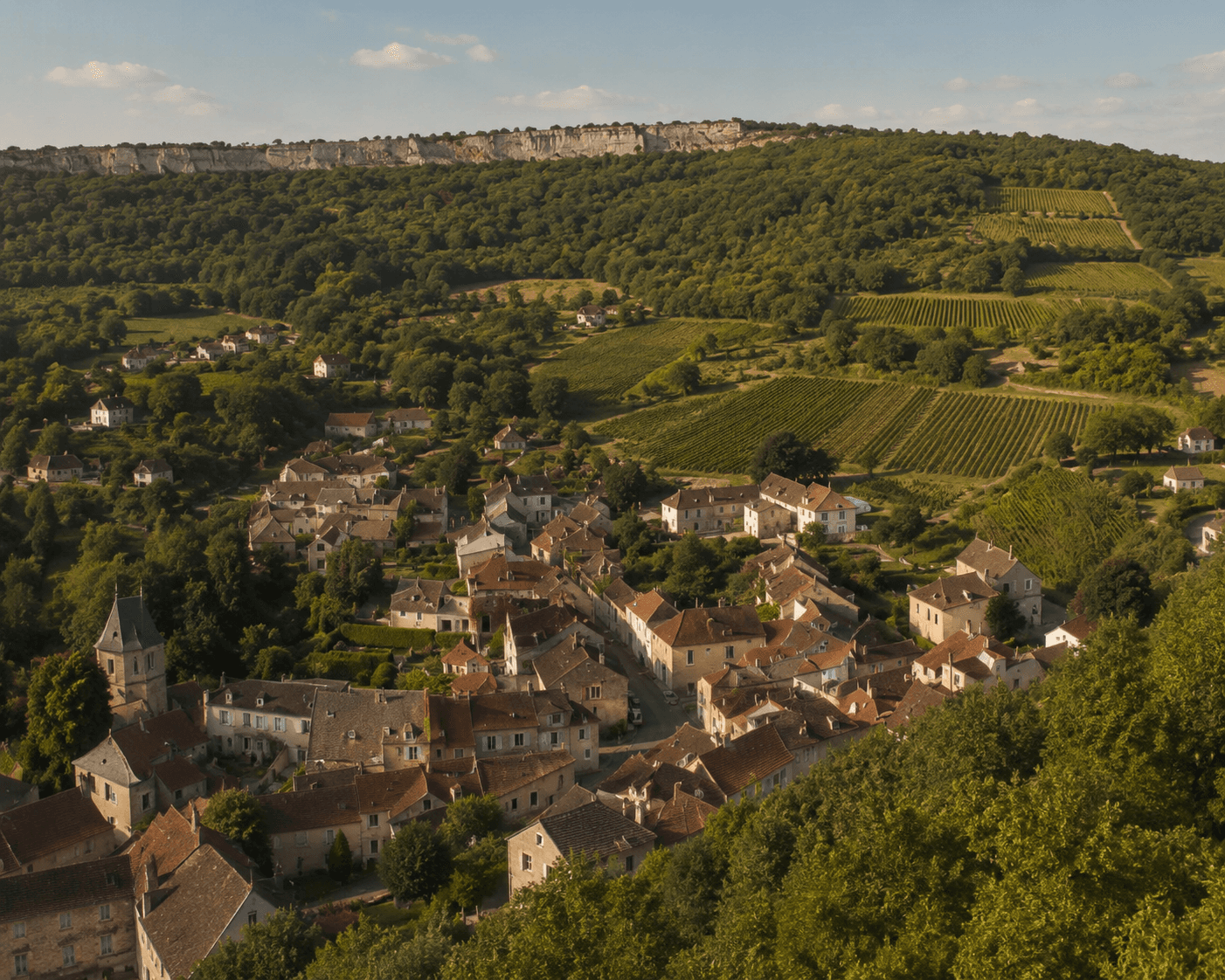
The Setting: Wine heritage in the French interior.
The Palette: Weathered oak, mossy grand cru slopes, and raw linen.
Why it holds value: Burgundy is a region built entirely on its rich history, making it the natural home for those who value substance over spectacle. In the historic town of Beaune, luxury is measured in generations, not seasons. The destination rewards the travellers who prefer exploring history inside a vaulted stone cellar over attending a flash-in-the-pan gallery openings.
The Anchor Experience: Wander the Hospices de Beaune (Hôtel-Dieu) . The 15th-century Gothic architecture and its iconic multicoloured geometric tiled roofs are a masterclass in preserved Burgundian heritage.
The Architecture: Bike through the Route des Grands Crus , specifically the narrow stone-walled vineyards ( clos ) of Vosne-Romanée and Puligny-Montrachet. The small stone huts ( cabottes ) dotting the fields have remained unchanged for centuries.
The Ritual: A private tasting inside the ancient, subterranean limestone cellars of Maison Joseph Drouhin , which run directly beneath the historic centre of the town. If you enjoy a staple glass of something in the evenings, this is the perfect way to experience France's deep history of wine.
III. Saint-Rémy-de-Provence
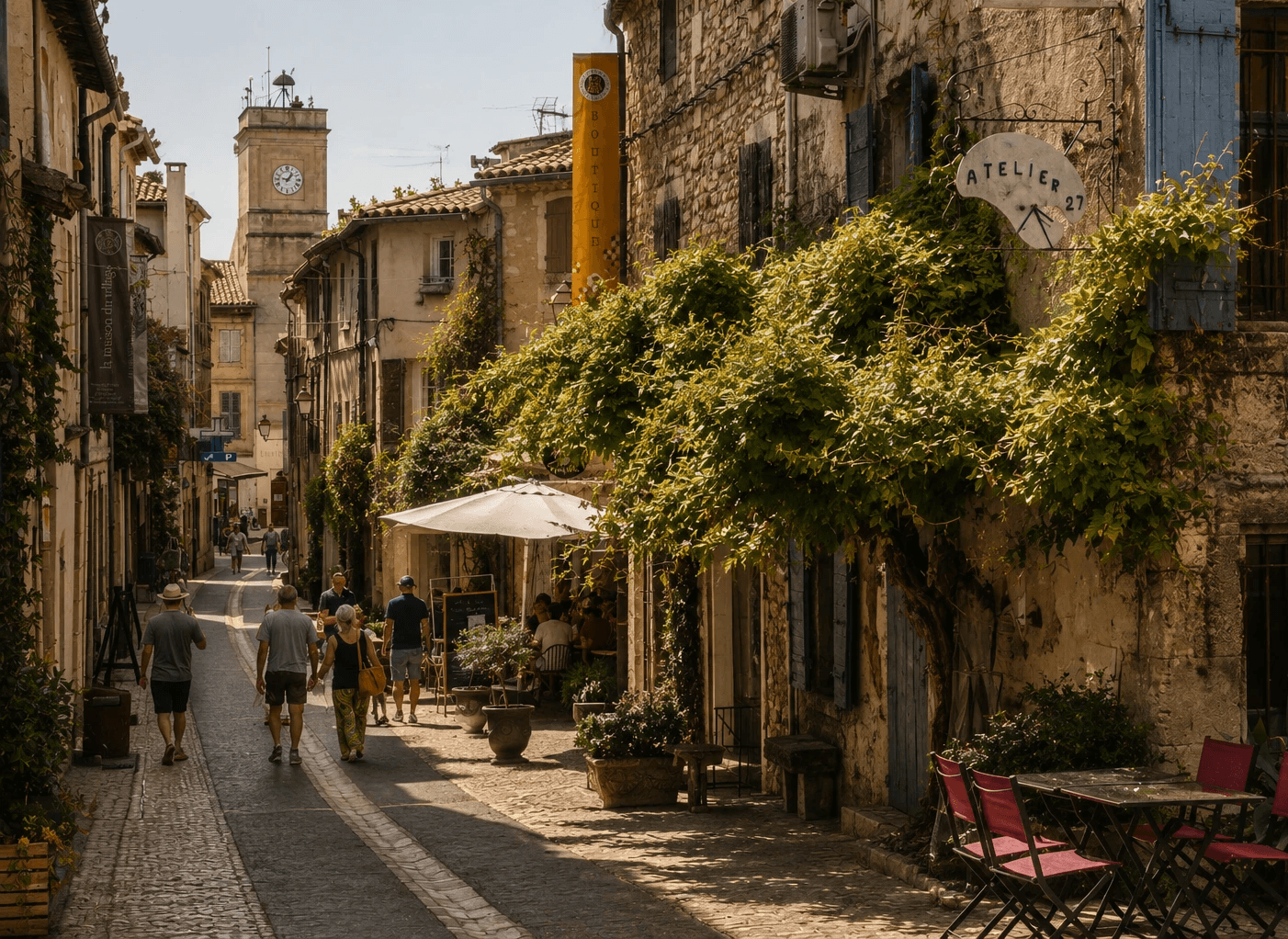
The Setting: Grounded, agricultural elegance in the Alpilles valley.
The Palette: Muted olive green, unlacquered brass, and sun-baked plaster.
Why it holds value: Forget the commercialised versions of the South of France. Saint-Rémy offers a masterclass in slow, intentional living. Tucked away at the base of the Alpilles mountains, this ancient Roman town moves to the cadence of the land, heavily anchored by raw, rustic textures and historic olive groves.
The Anchor Experience: Explore the ancient Roman ruins of Glanum , an exceptionally preserved archaeological site tucked into a narrow fold of the Alpilles mountains.
The Architecture: The town itself is a study in residential restraint—walk the winding circular streets to observe the 18th-century hôtels particuliers (grand townhouses) with their massive timber doors and unlacquered brass knockers.
The Ritual: Wake up early for the Wednesday morning market, skipping the main tourist stalls to source local olive oils, goat cheeses, and heavy linen textiles directly from regional artisans.
IV. The Loire Valley Estuary
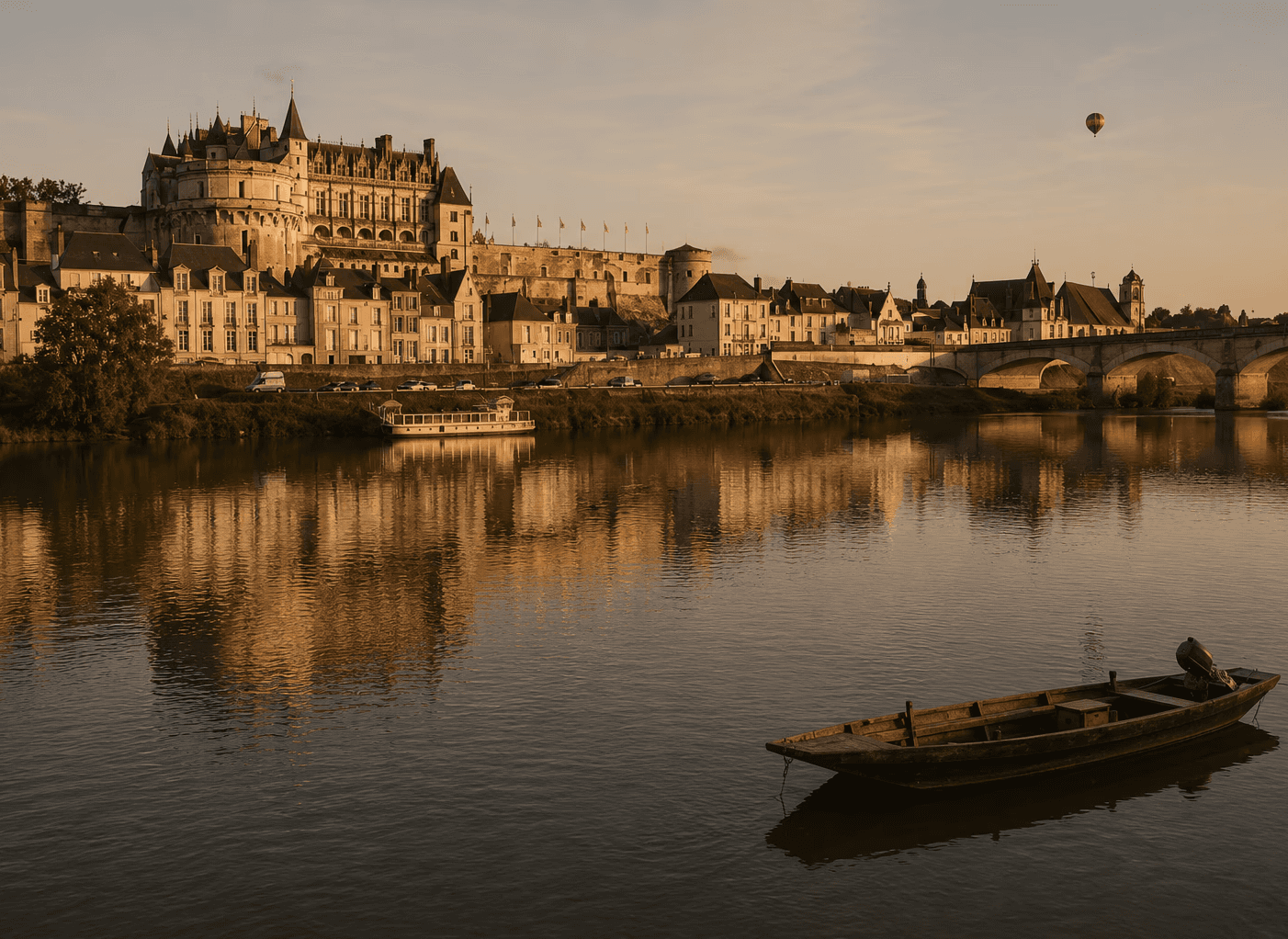
The Setting: Historic architectural scale along the riverbanks.
The Palette: Slate grey rooftops, pale tufa stone, and deep forest green.
Why it holds value: Often referred to as the cradle of French nobility, the Loire Valley commands an undeniable sense of historical scale. Moving along the gentle currents of the Loire River means navigating a landscape defined by Renaissance architecture, private hunting grounds, and manicured hedge mazes.
The Anchor Experience: Visit Château de Villandry , specifically to study the structural discipline of its Renaissance terraced gardens, which are organized into intricate geometric patterns of vegetables, herbs, and flowers.
The Architecture: Explore Château de Chenonceau , uniquely built directly over the River Cher. The architectural blend of late Gothic and early Renaissance stone spans the water with total elegance.
The Ritual: Staying at a family-run estate like Domaine des Etangs or similar converted historic properties, where the libraries are filled with leather-bound volumes and the estate grounds invite long, quiet walks at dusk.
From the Archives: To explore our full collection of European travel itineraries, private aviation packing manuals, and seasonal style blueprints, visit the Blackthorne & Rowe Archive.
Continue Through the Archive.


