Timeless Travel
Discover More:
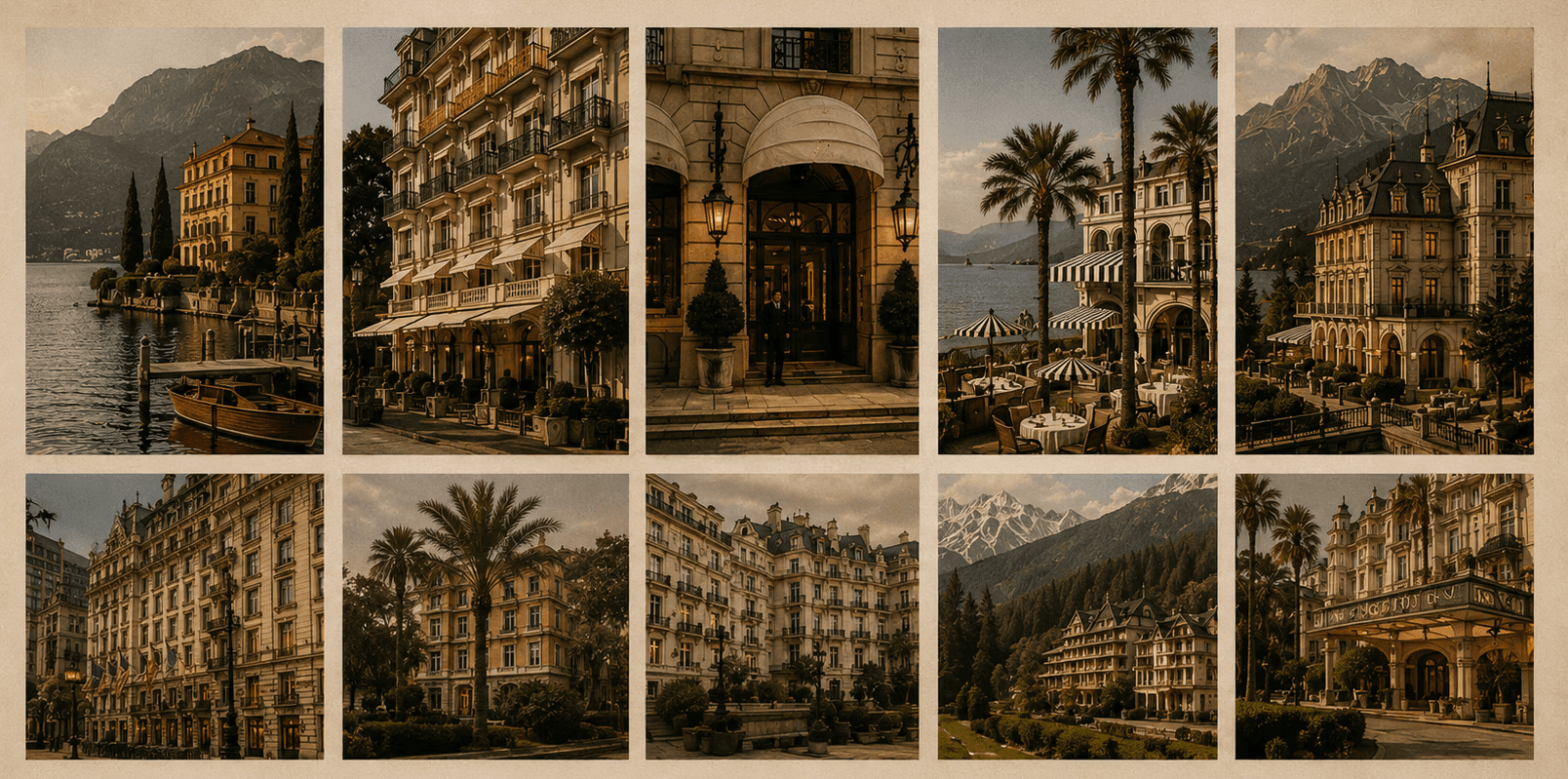
Trends in luxury travel are inherently volatile, constantly shifting toward whatever modern concept promises the next brief escape. True sophistication, however, ignores the transient to focus entirely on permanence. There are certain locations across the globe that do not merely participate in the lifestyle of leisure—they created the blueprint for it.
To understand the core philosophy of "quiet luxury," one must look at the physical architecture, historic preservation, and spatial geography of the grand estates that have hosted discerning travelers for generations. These properties remain relevant over centuries by refusing to compromise their foundational design standards.
Below is an analytical breakdown of the world's ten most elite hotel properties, focusing on the specific visual environments that separate a standard vacation destination from a lifelong aesthetic anchor.
I. The Lakeside Grandeur: Lake Como & Lucerne
Villa d'Este
Originally built in 1568 as a private summer palace before transitioning into a luxury hotel in 1873, this estate is the definitive benchmark for Northern Italian renaissance architecture.
The Visual Discipline: Spread across 25 acres of manicured landscape, it uses formal gardens and stone balustrades to cleanly frame the natural geometry of the water.
The Material Palette: Terracotta tones, smooth cream stucco, traditional silk-upholstered furnishings, and frescoed interior vaulted ceilings.
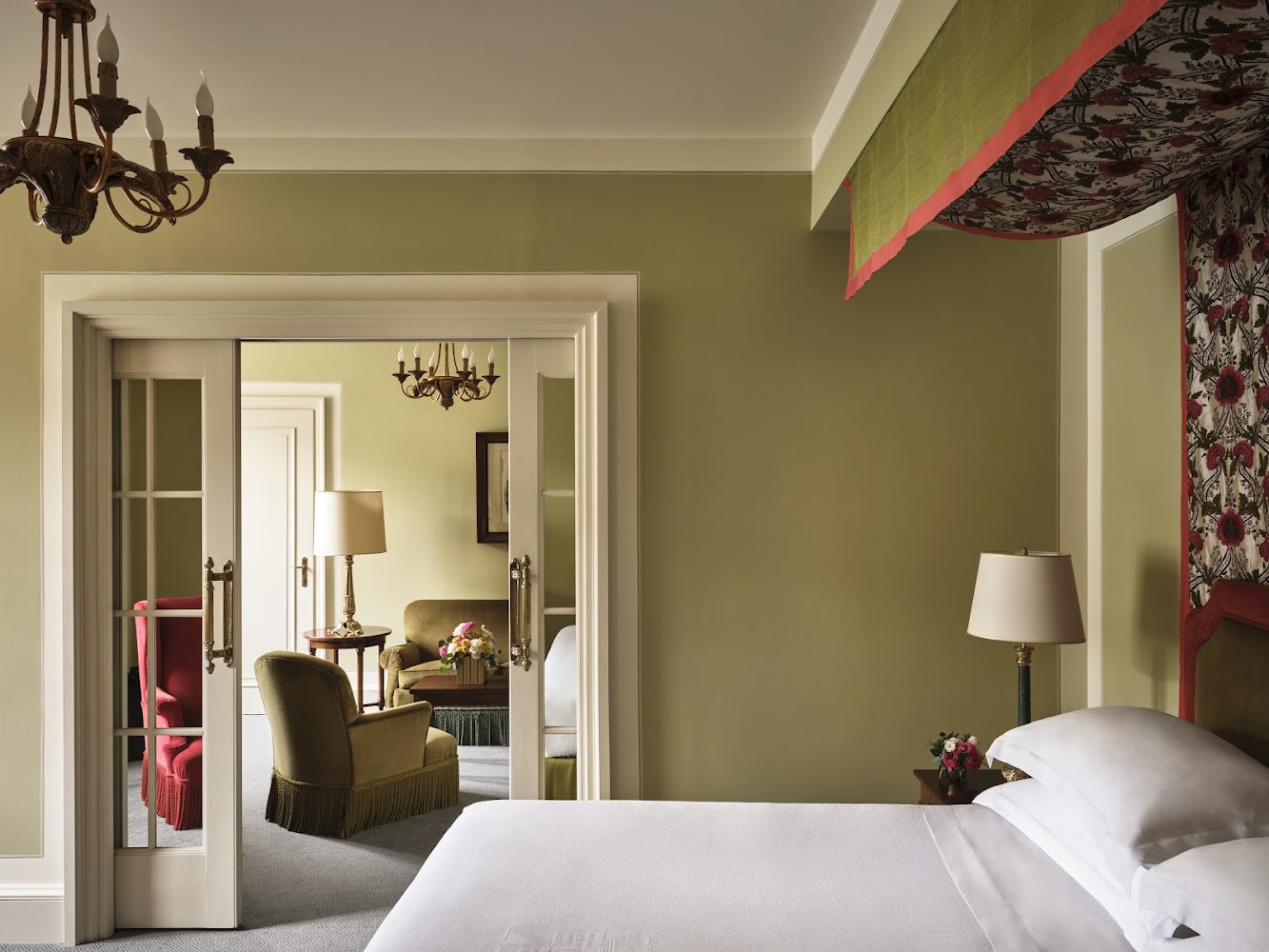
Villa d'Este: ☆ 4.7
Bürgenstock Resort Lake Lucerne
Perched dramatically on a ridge 500 meters above the lake, this Swiss icon has offered absolute isolation and privacy since its inception in 1873.
The Visual Discipline: The architectural layout leans heavily into vertical scale, featuring a world-famous outdoor infinity pool that creates an unbroken visual line blending directly with the alpine horizon.
The Material Palette: Local alpine stone, raw timber detailing, expansive glass facades, and deep charcoal slate tiles.
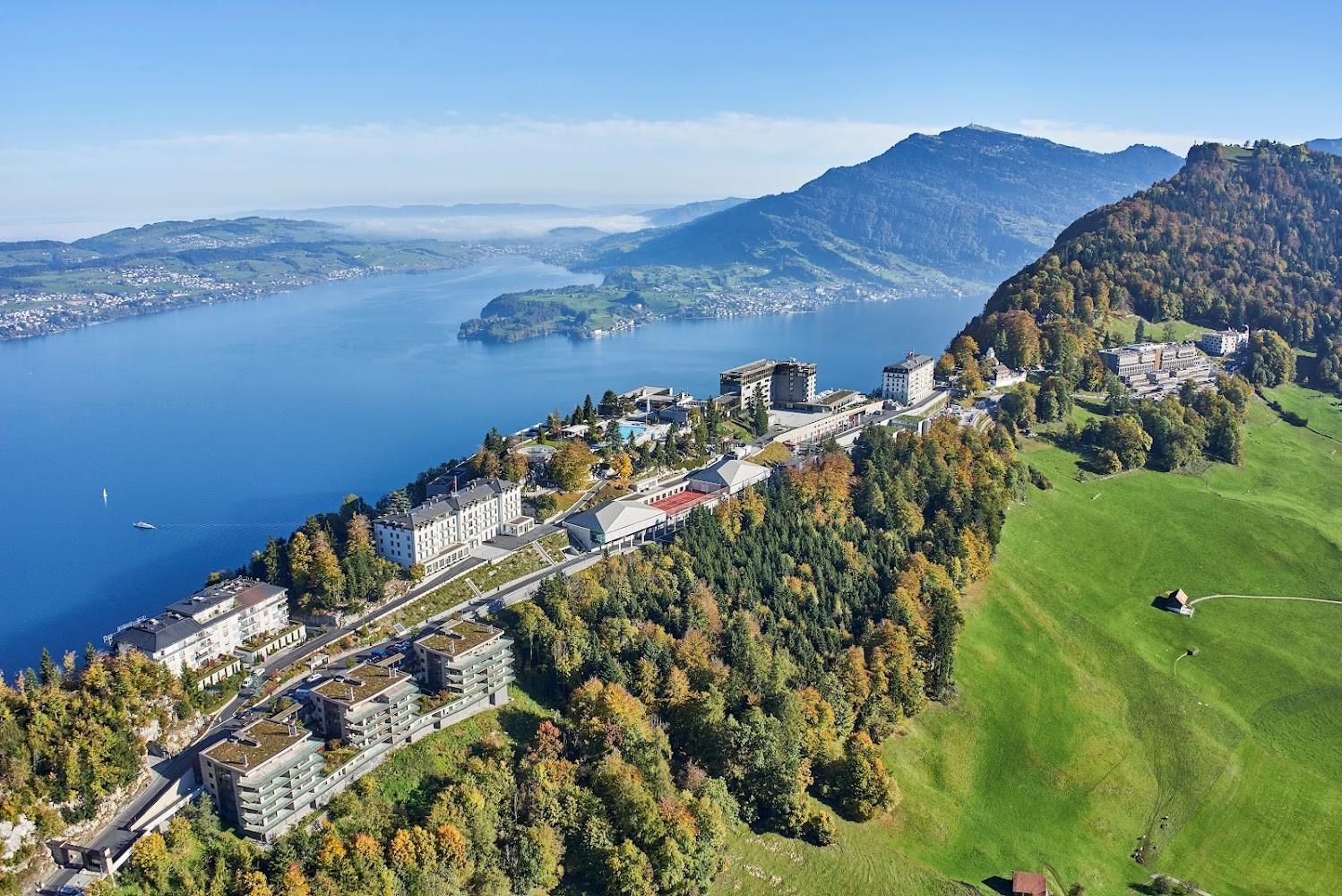
Bürgenstock Resort Lake Lucerne: ☆4.6
II. The Coastal Sanctuaries: French Riviera, Monaco & Venice
Hotel du Cap-Eden-Roc
Established in 1870 along the rugged cliffs of Cap d'Antibes, this property has long served as the ultimate playground for twentieth-century cultural titans and international elite.
The Visual Discipline: The estate is centered around an iconic basalt-cliff swimming pool and a legendary pine-lined grand alleyway that leads directly to a private water tender jetty.
The Material Palette: Crisp white neoclassical stone facades, rich interior boiserie panels, and deep forest-green upholstery that mirrors the estate's Aleppo pines.
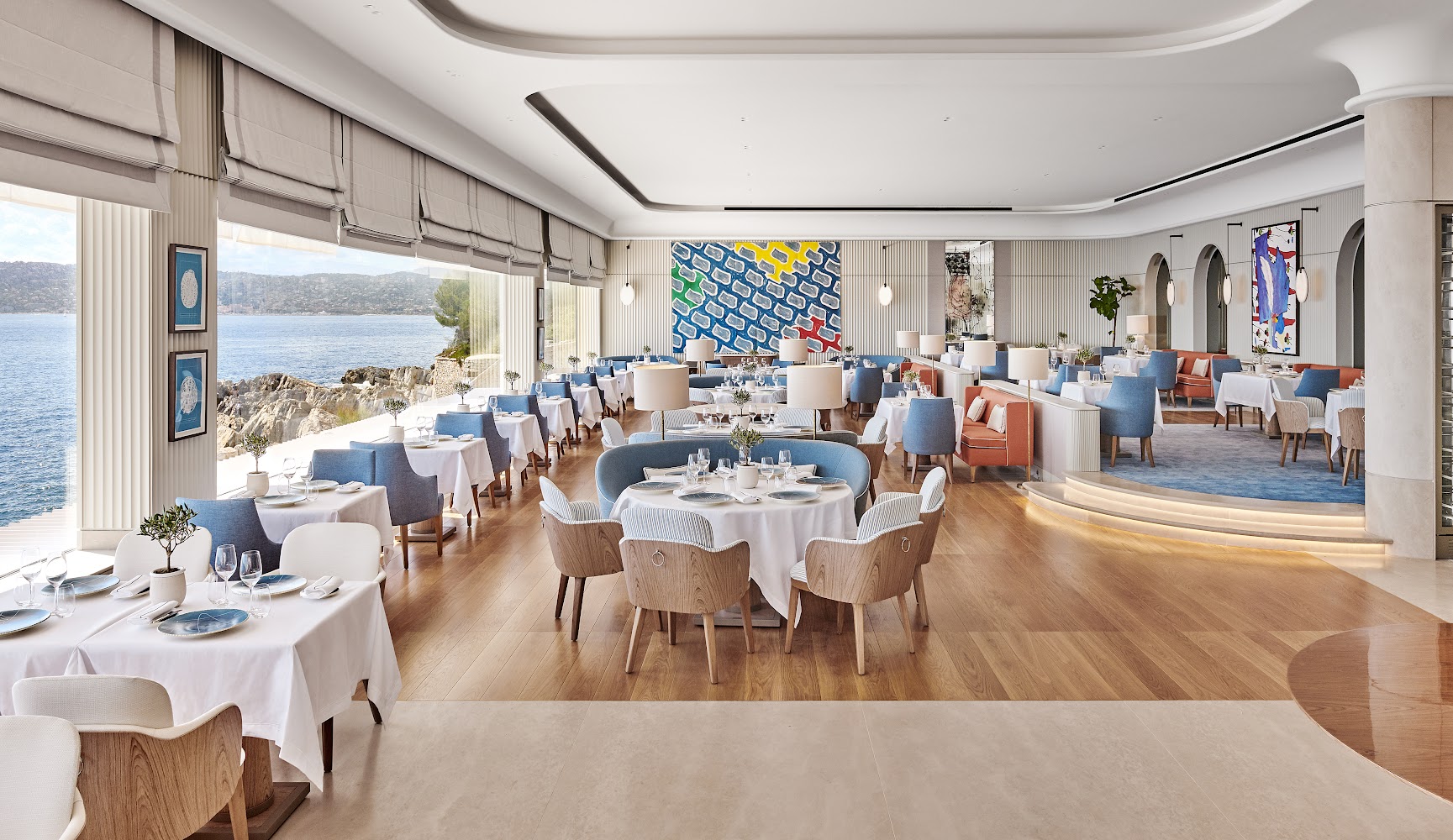
Hotel du Cap-Eden-Roc: ☆4.6
Hotel Cipriani, A Belmond Hotel, Venice
Positioned isolated on the tip of Giudecca Island, this Venetian oasis provides an intentional layer of privacy from the dense crowds of St. Mark's Square.
The Visual Discipline: The property balances traditional Venetian architecture with low-slung, sweeping garden terraces and an Olympic-sized seawater swimming pool.
The Material Palette: Soft Venetian pink plaster facades, Murano glass light fixtures, and rich terracotta paving.
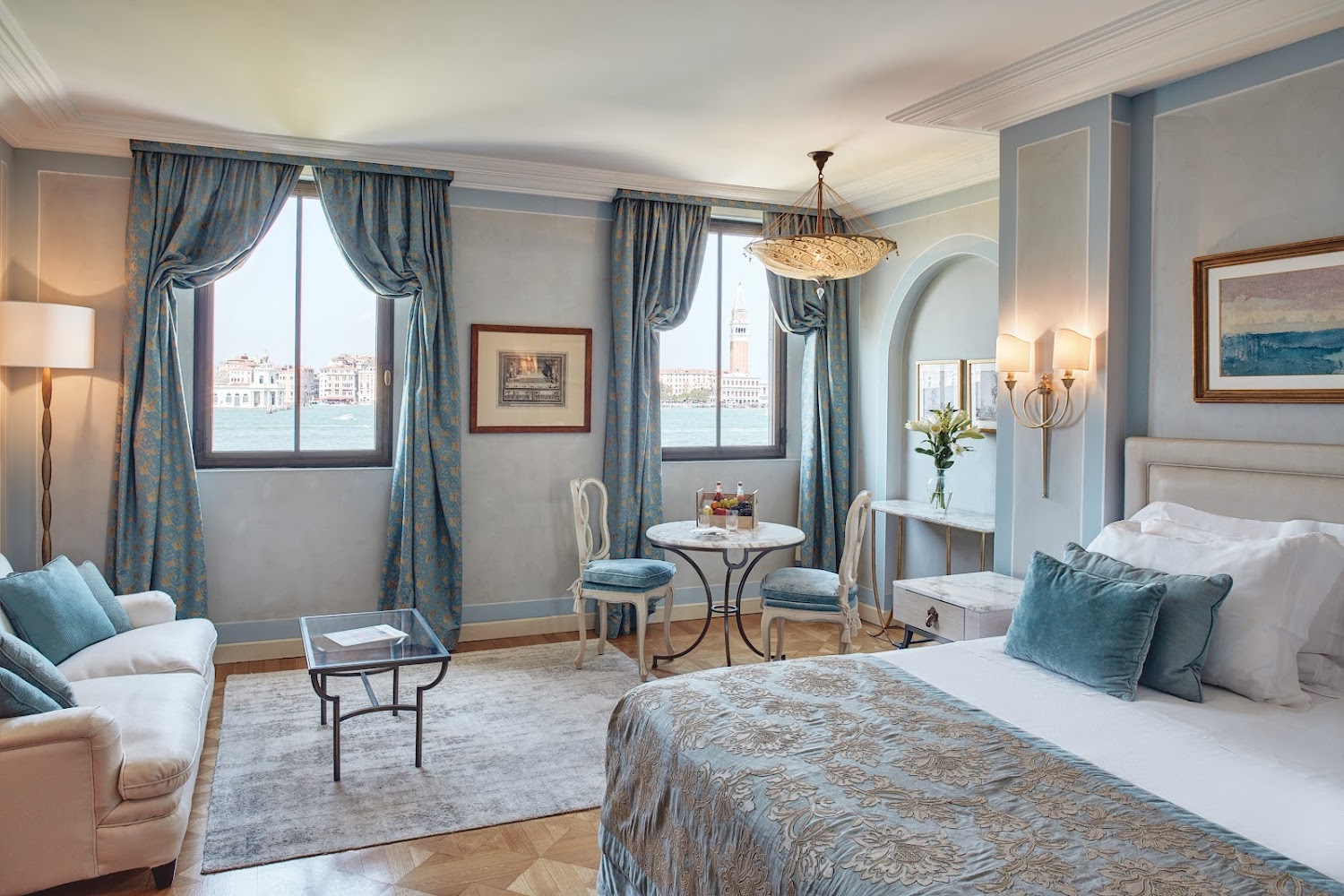
Hotel Cipriani, A Belmond Hotel, Venice: ☆4.7
Carlton Cannes, a Regent Hotel
Dominating the famous La Croisette boulevard since 1913, this Belle Époque palace represents the peak of Mediterranean grandeur.
The Visual Discipline: Instantly recognizable by its twin corbelled domes, the symmetrical beachfront facade is engineered to maximize panoramic views of the sea via ornate, repeating wrought-iron balconies.
The Material Palette: Polished white marble, grand crystal installations, and high-contrast navy and cream textile accents.
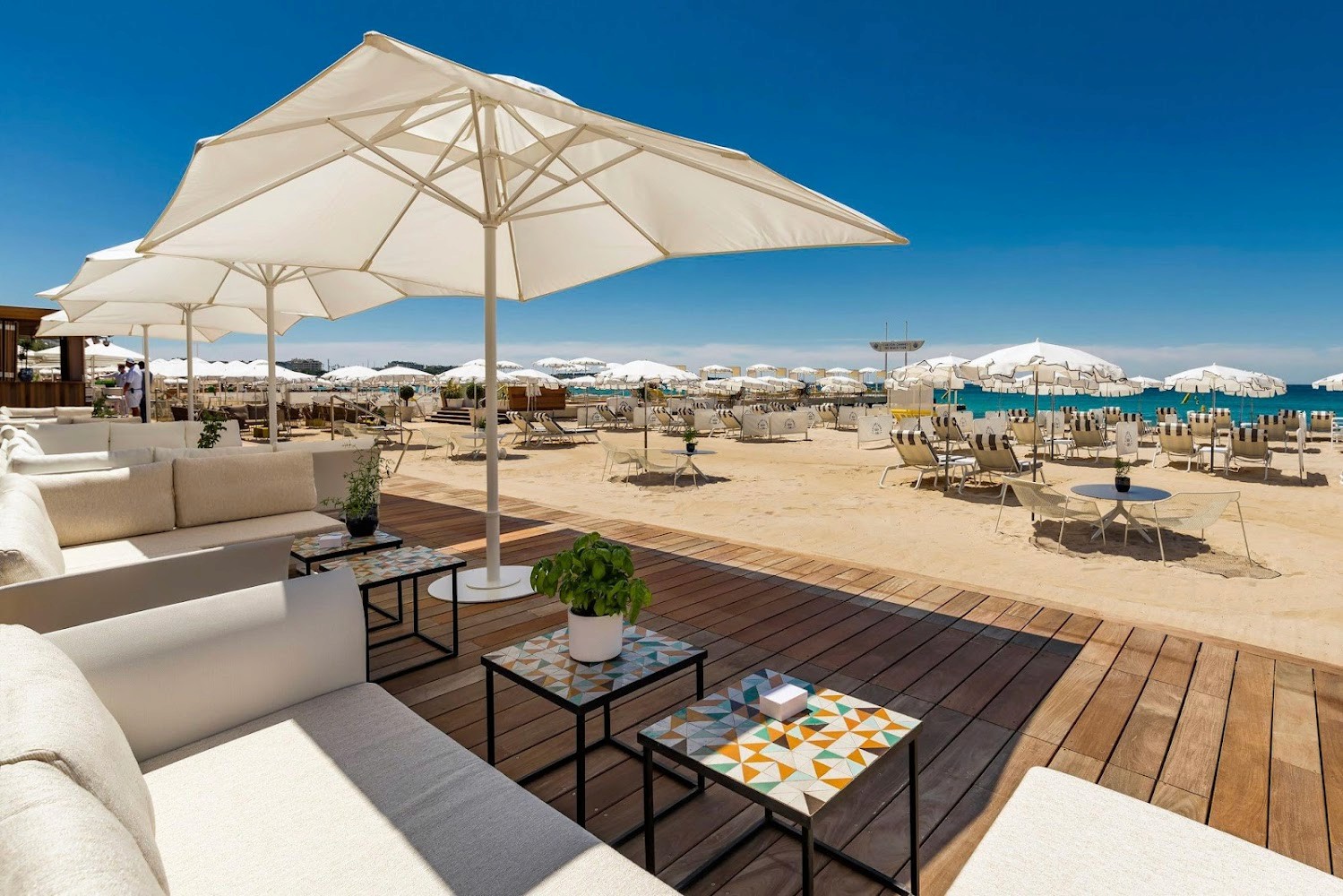
Carlton Cannes, a Regent Hotel: ☆4.6
Columbus Hotel Monte-Carlo, Curio Collection by Hilton
Tucked into the quieter Fontvieille residential quarter of Monaco, this property offers a distinct, contemporary contrast to the hyper-ornate casinos of the Principality.
The Visual Discipline: The exterior geometry uses clean, understated lines that look directly onto the Princess Grace Rose Garden and the Mediterranean Sea.
The Material Palette: Bleached sandstone, soft neutral linens, dark wenge wood furnishings, and matte metal finishes.
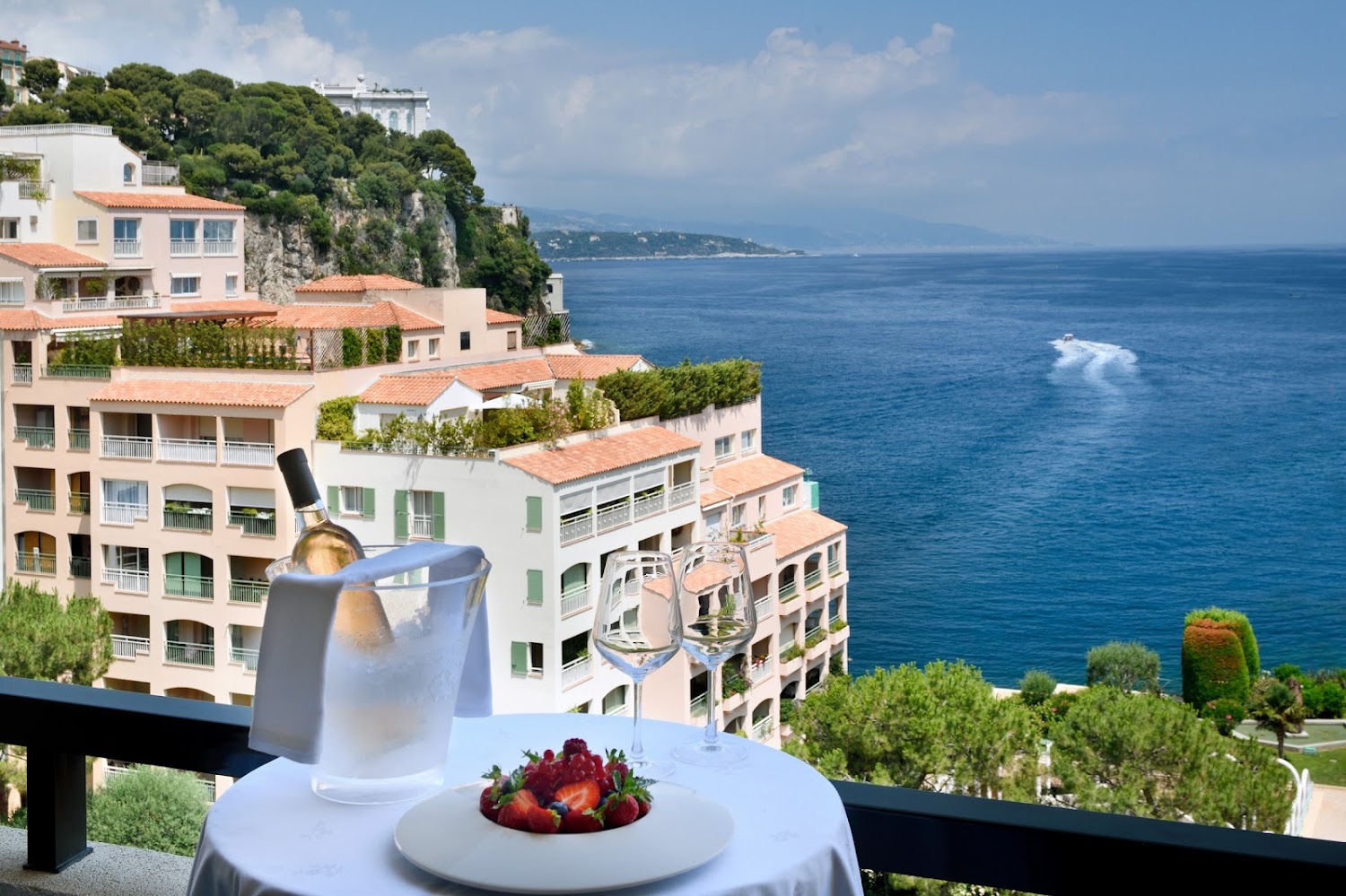
Columbus Hotel Monte-Carlo, Curio Collection by Hilton: ☆4.4
III. The Urban Palaces: London, Paris & New York
The Ritz London
Opened in 1906 by César Ritz, this landmark Piccadilly institution was designed to look and function as a literal urban palace for international high society.
The Visual Discipline: The architecture is heavily influenced by Parisian Louis XVI-style architecture, boasting a massive exterior arcade street-front, vaulted ceilings, and strict neoclassical symmetry.
The Material Palette: Extravagant gold-leaf moldings, massive multi-tiered crystal chandeliers, pink marble pillars, and intricate plush hand-woven carpets.
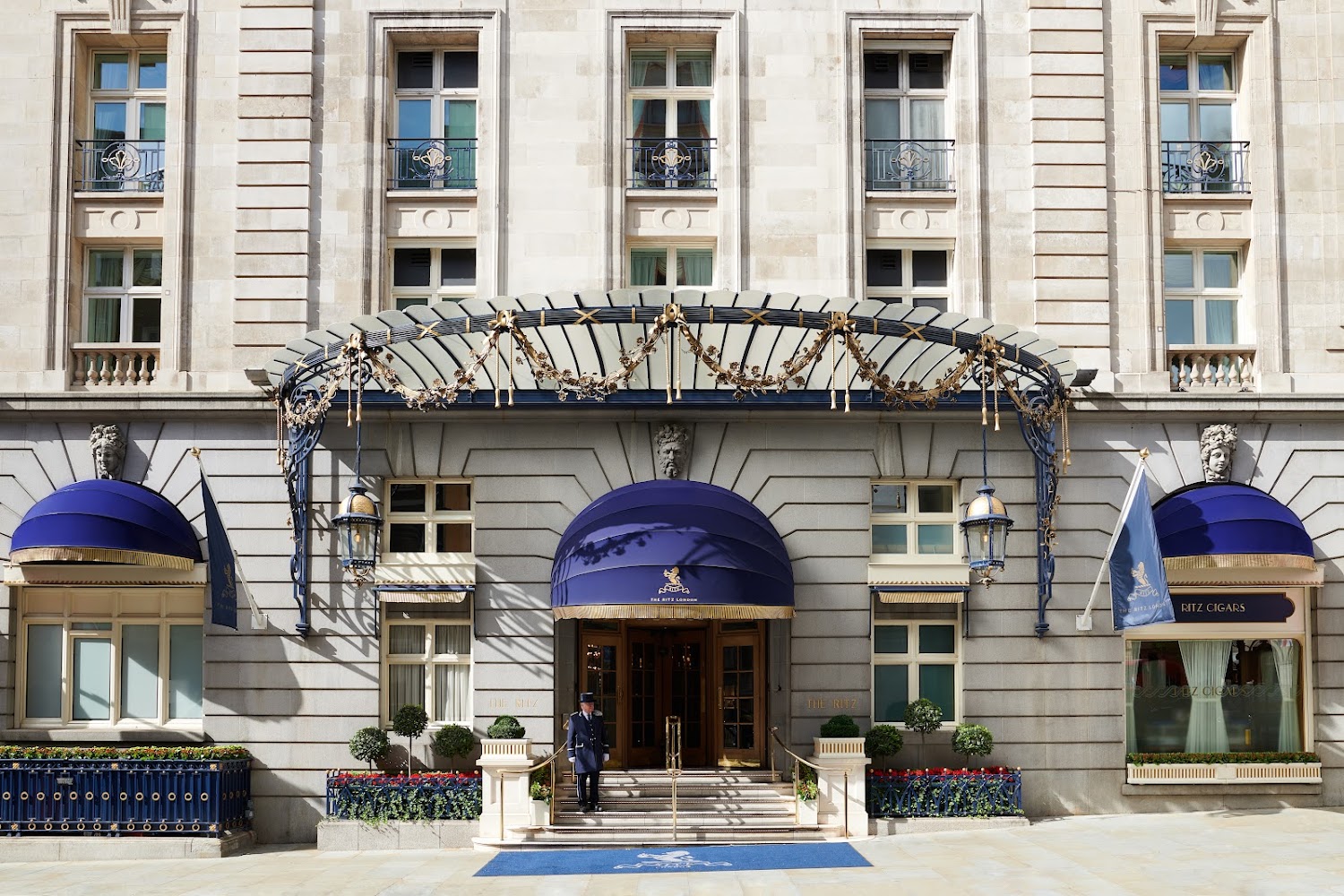
The Ritz London: ☆4.6
The Plaza
Standing guard over Central Park South since 1907, this legendary French Renaissance-style chateau remains America's most celebrated historic hotel destination.
The Visual Discipline: The massive vertical scale frames Grand Army Plaza, utilizing intricate corner towers and tiered dormer windows to break up the dense Manhattan skyline.
The Material Palette: Traditional white glazed brick, dark green roof tiling, heavy velvet drapery, and polished brass fixtures.
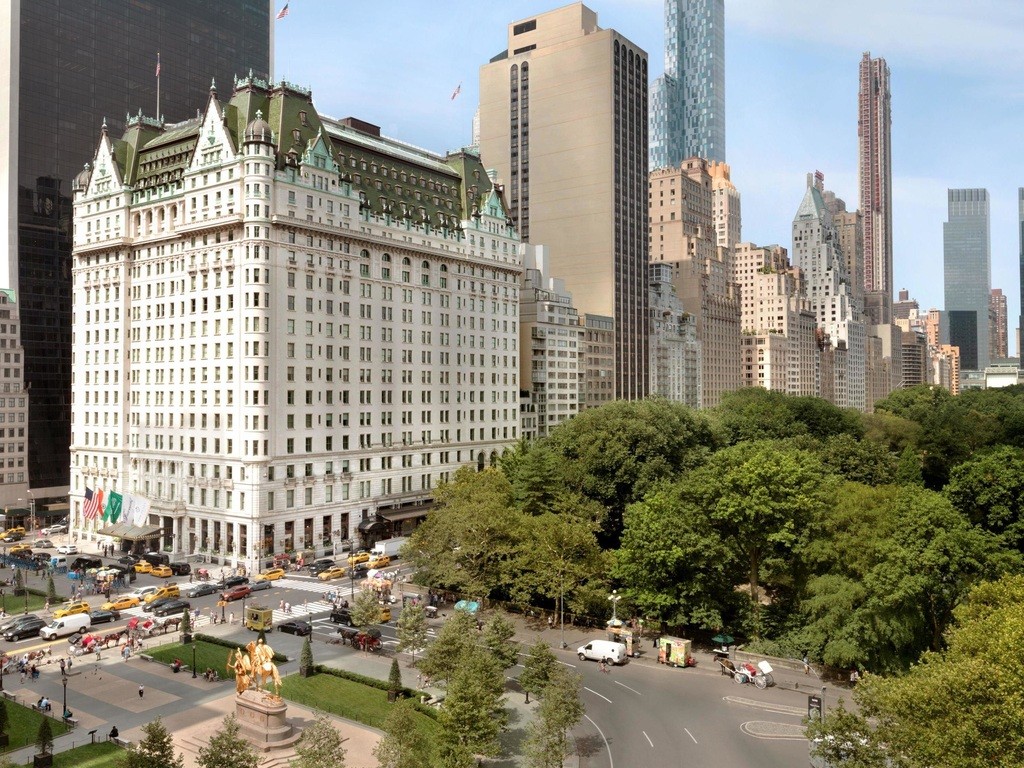
The Plaza: ☆4.5
Four Seasons Hotel George V, Paris
An Art Deco masterpiece built in 1928, this iconic landmark sits just steps off the Champs-Élysées, serving as a global baseline for operational perfection and architectural elegance.
The Visual Discipline: The interior focuses heavily on axial symmetry, layout geometry, and grand spatial flow, complete with historic tapestries and towering internal courtyards.
The Material Palette: French limestone floors, hand-carved bas-reliefs, immense crystal lighting arrays, and constant, structural floral installations.
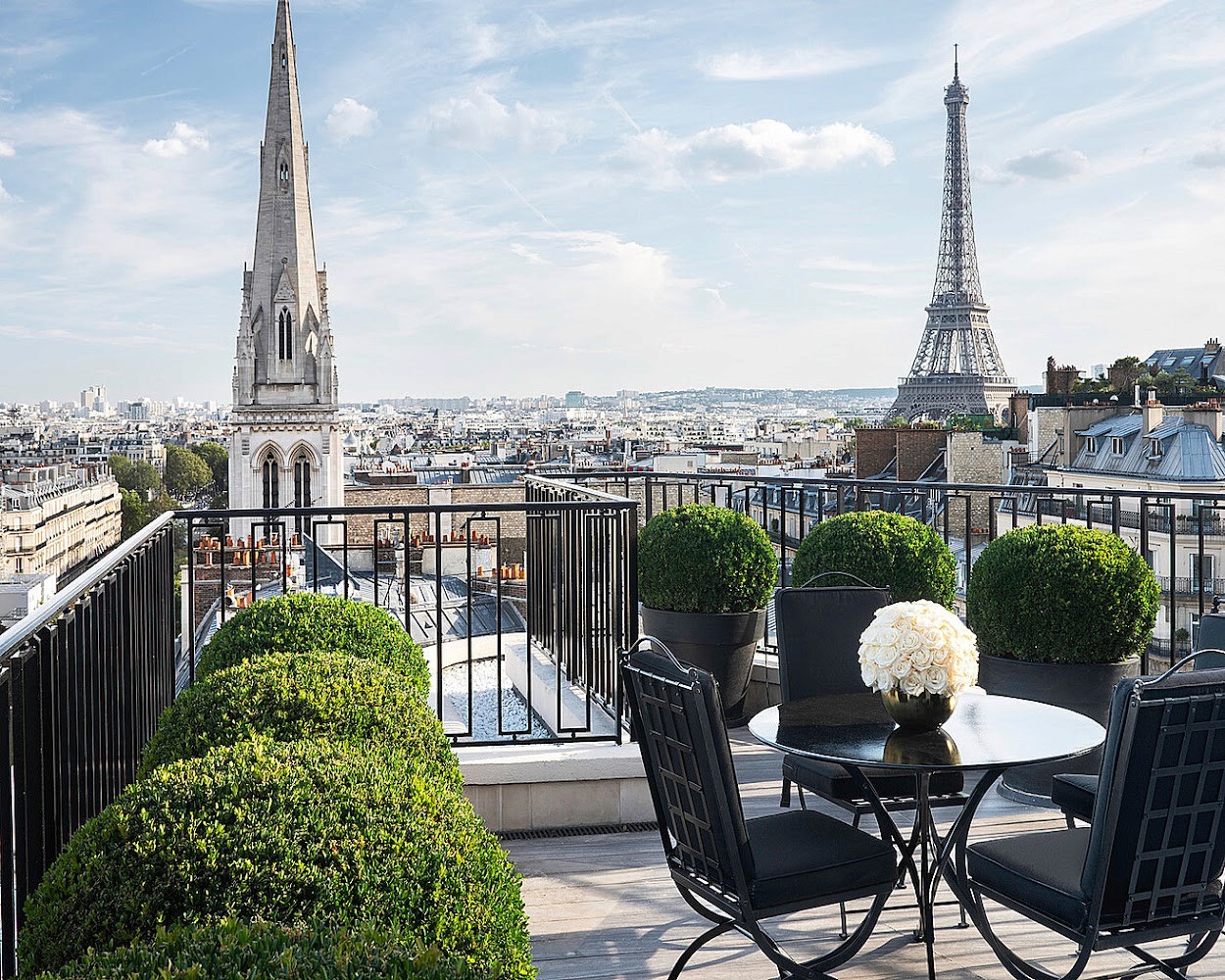
Four Seasons Hotel George V, Paris: ☆4.8
IV. The Alpine Heritage: Zermatt
Grand Hotel Zermatterhof
Welcoming guests since 1879, this grand alpine hotel sits comfortably at the base of the Matterhorn, preserving the slow luxury traditions of high-altitude exploration.
The Visual Discipline: The building features a classic mountain grand chateau silhouette, utilizing structured stone foundations to anchor the property against the sheer verticality of the surrounding peaks.
The Material Palette: Aged Swiss pine paneling, local granite stonework, heavy wool textiles, and open wood-burning hearths.
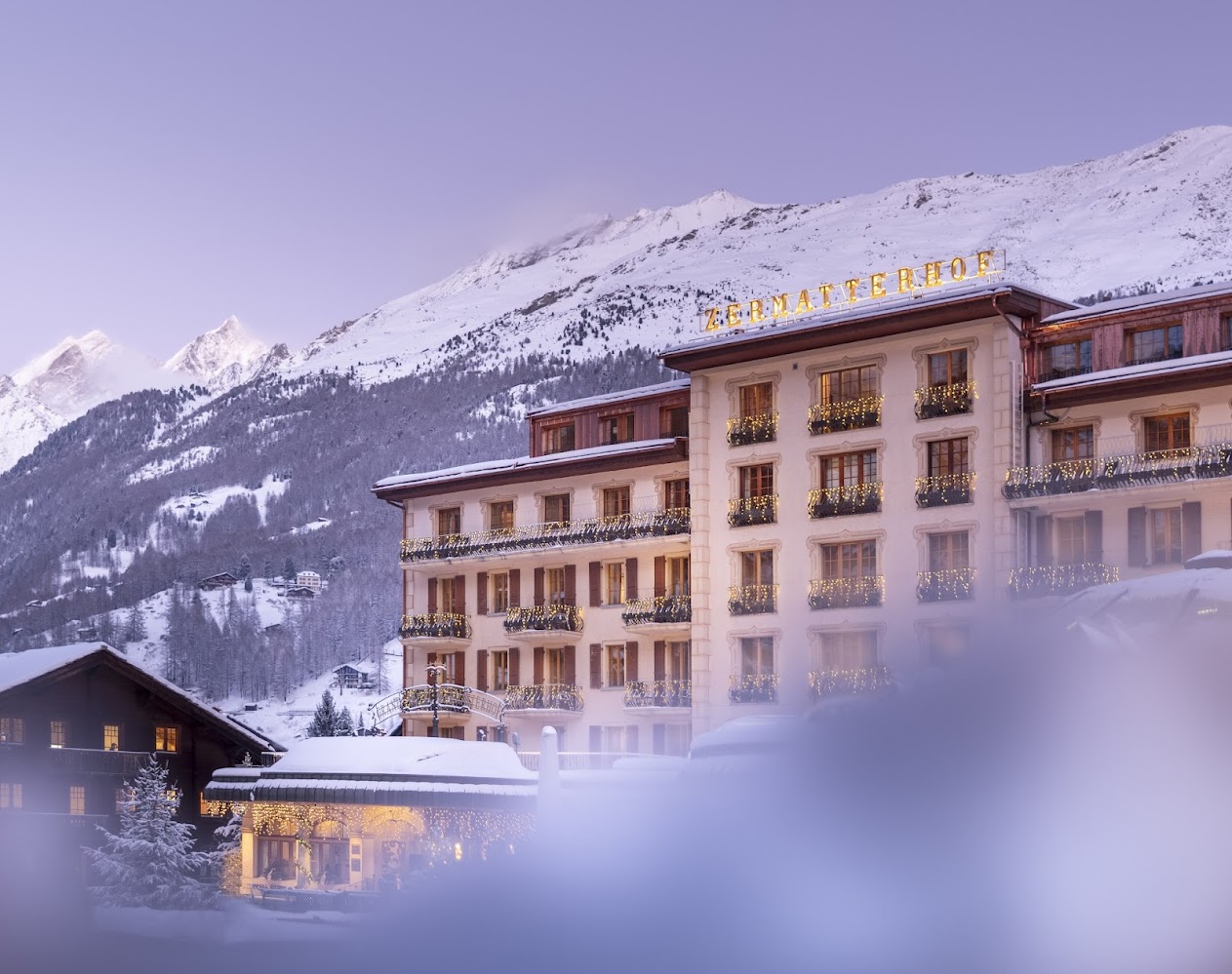
Grand Hotel Zermatterhof: ☆4.5
Selecting an iconic destination is only the first half of a disciplined travel itinerary; the second half is mastering what you bring with you. A gentleman's luggage should reflect the exact same restraint, quality, and modular simplicity as the architecture he travels to admire.
Before booking your transit, explore our tactical guide to assembling a highly versatile, compact capsule wardrobe tailored for high-end travel. Learn how to pack lighter, eliminate bulk, and maintain an absolute standard of style on the road.
Read the Manual: The Art Of The Weekender Carry-On
Continue Through the Archive.


