The Sartorial Archive
Discover More:

The Structure Behind the World's Heritage Brands
Most men build wardrobes out of habit or hype. The master curator builds with geography. While the digital world chases hyper-speed fashion cycles that expire in weeks, true luxury relies on an older blueprint: lineage and intent.
To step away from the noise of modern trends, you have to realize that every great tailoring nation possesses a specific sartorial superpower. This is how you map those strengths.
I. The Anglo-Saxon Anchor: Structure & Climate
The British columns of menswear—built by institutions like Dunhill, Burberry, and the cordwainers of Northampton like Crockett & Jones —are fundamentally rooted in utility and protection against the elements.

The Philosophy: British style is linear, structured, and heavy. It is the armour of the wardrobe. The shoulder of a British jacket is distinct, and the heavy knits of John Smedley or the weatherproof gabardine of a classic trench are built to last.
The Insight: Turn to the UK for your foundational armour: outerwear, structured tailoring, and Goodyear-welted leather footwear that physically moulds to your stride over a decade of wear.
II. The Italian Softness: Sprezzatura & Fabric Mastery
Cross the Alps into Italy, and the rigid canvas of the UK gives way to fluid construction. Houses like Loro Piana , Brunello Cucinelli , and Zegna revolutionized men's fashion by stripping away the heavy padding and internal linings of jackets, substituting weight with unmatched textile quality.
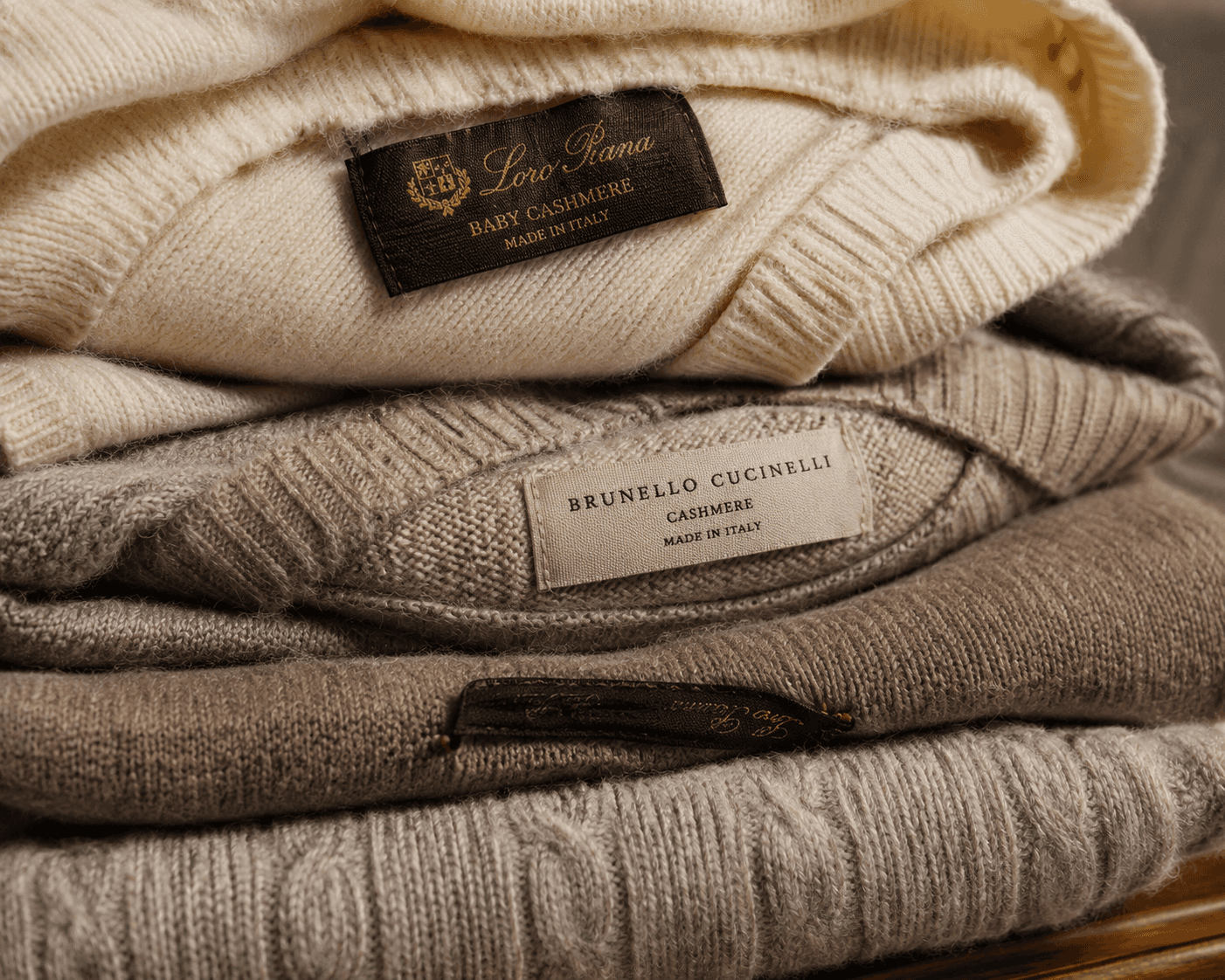
The Philosophy: Italian luxury is tactile. It relies on the drape of fine merino wool, unlined suede loafers, and ultra-premium cashmere. It values Sprezzatura —the art of looking exceptionally elegant without looking like you tried.
The Insight: Rely on Italy for your intermediate layers, lightweight linen trousers, unconstructed blazers, and anything that sits directly against the skin.
III. The French Precision: The Art of the Object
France approaches menswear through the lens of strict leather craft and flawless proportions. From the equestrian leather roots of Hermès to the exacting cuts of Celine and Dior, French heritage views clothing and accessories as precision-engineered objects.

The Philosophy: French style focuses on the ultimate centrepiece. A single leather briefcase, a perfectly balanced timepiece from Cartier , or a razor-sharp evening jacket. It is clean, decisive, and structurally unforgiving.
The Insight: Look to France for your crowning investments—leather goods, evening attire, fragrances, and timeless hardware accessories that elevate an otherwise simple outfit.
IV. The American Horizon: Utility & Casual Luxury
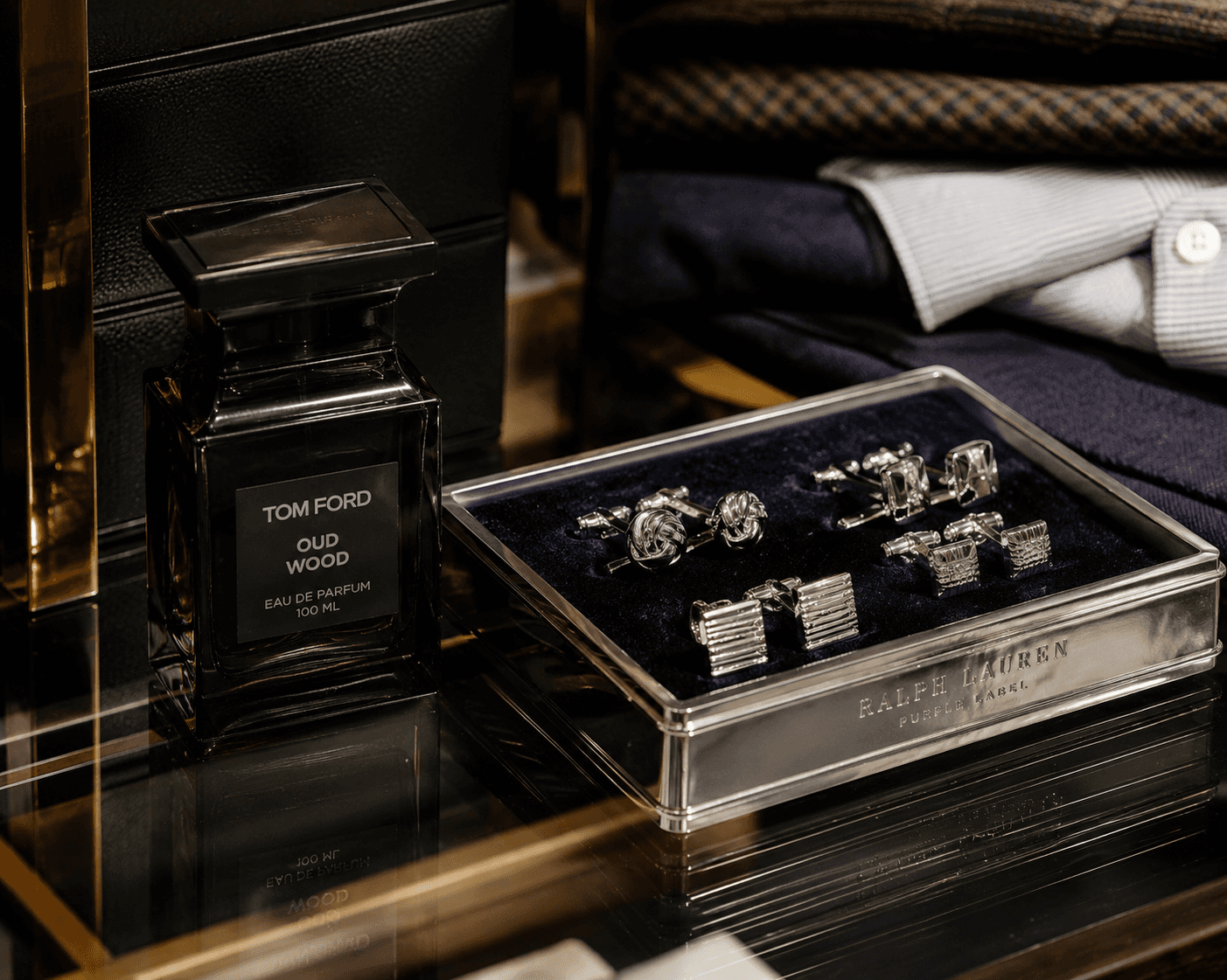
American heritage style, defined by pioneers like Ralph Lauren and Brooks Brothers , successfully commercialized the aristocratic sporting look. It took the stiff codes of European high society and relaxed them for everyday life.
The Philosophy: It is the intersection of ivy league academia, rugged western utility, and clean country club aesthetics. It centres on the button-down oxford shirt, casual knit polos, and heavy canvas or suede travel bags.
The Insight: Use American houses to build out your high-end casual rotation. It's the ideal framework for weekend attire, casual tailoring, and comfortable knitwear that still commands respect.
V. The Iberian Subtlety: Understated Craftsmanship

Spain's entry into the high-end tier—championed globally by Loewe and respected globally by shoe artisans like Carmina —is defined by an absolute obsession with raw leatherwork and quiet, artistic forms.
The Philosophy: Iberian design is deeply regional and quietly confident. It doesn't scream for attention, relying instead on centuries-old leather tanning techniques and hand-stitched details that connoisseurs instantly recognize.
The Insight: Integrate Spanish design into your footwear rotation via hand-made loafers and oxfords, or through supplied, minimalist leather travel accessories that bypass mainstream recognition in favour of true connoisseurship.
Continue Through the Archive.